

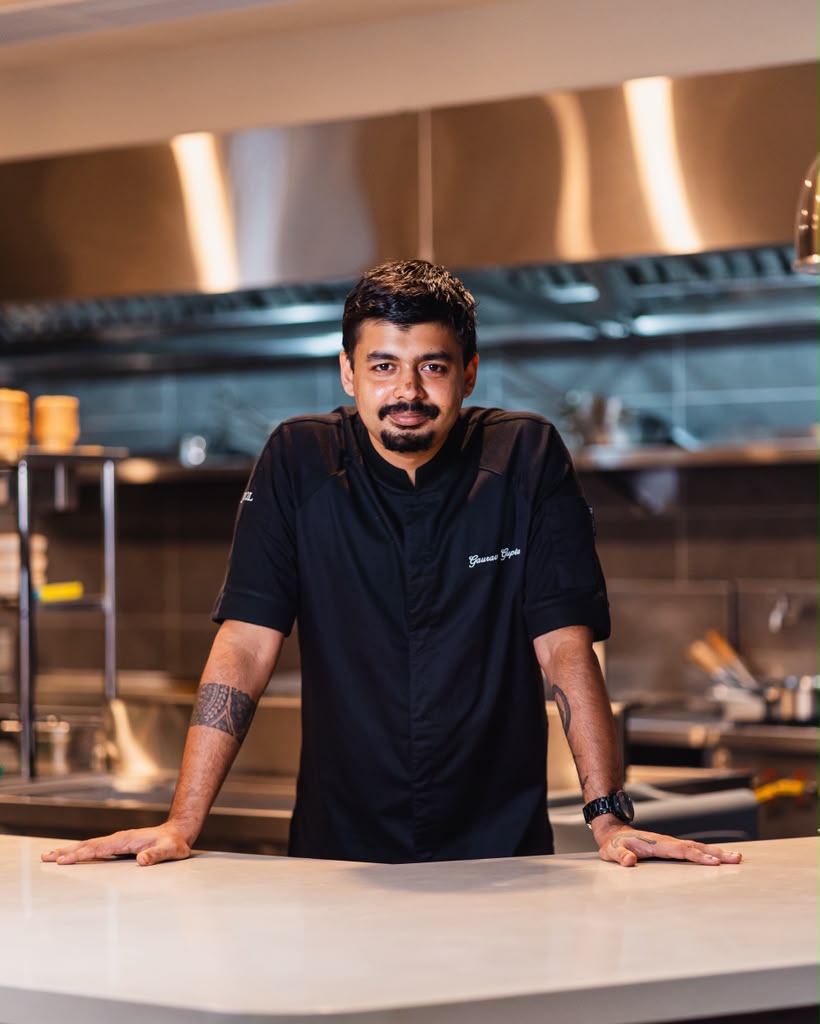
Ask Gaurav Gupta what ingredient he reaches for most, and he doesn’t hesitate: mustard oil. “It’s nostalgic and powerful,” he says two words that could describe most of what he cooks. Ask him what he wanted to be before he became a chef, and the answer is more surprising. “I started out wanting to be a teacher,” he says. “But food taught me how to connect with the world.” It’s a small admission, but it explains a lot about how he runs a kitchen today as Executive Chef of JHOL Kuala Lumpur, he talks about mentoring junior cooks with the same seriousness he talks about menu development, and treats both as part of the same job.
His own education started long before Manipal, where he earned his culinary degree, or Indian Accent in New Delhi, where a stint under chef Manish Mehrotra shaped how he thinks about regional Indian food. It started, he says, in the family kitchens and street markets of India the kind of everyday cooking that rarely gets written about, but that he still credits as his most important culinary education. “Some of the most memorable dishes I’ve ever tasted weren’t served in fine dining restaurants,” he says. “They came from family kitchens where recipes have been passed down through generations.”
That instinct, that the real story of Indian food lives in its regions, not its restaurants has shaped nearly a decade of work alongside chef Hari Nayak, first helping open JHOL in Bangkok, then leading the kitchen through Michelin-recognised runs at Haoma, and now overseeing JHOL’s expansion into Kuala Lumpur, where the menu maps India’s coastline from Gujarat to West Bengal.
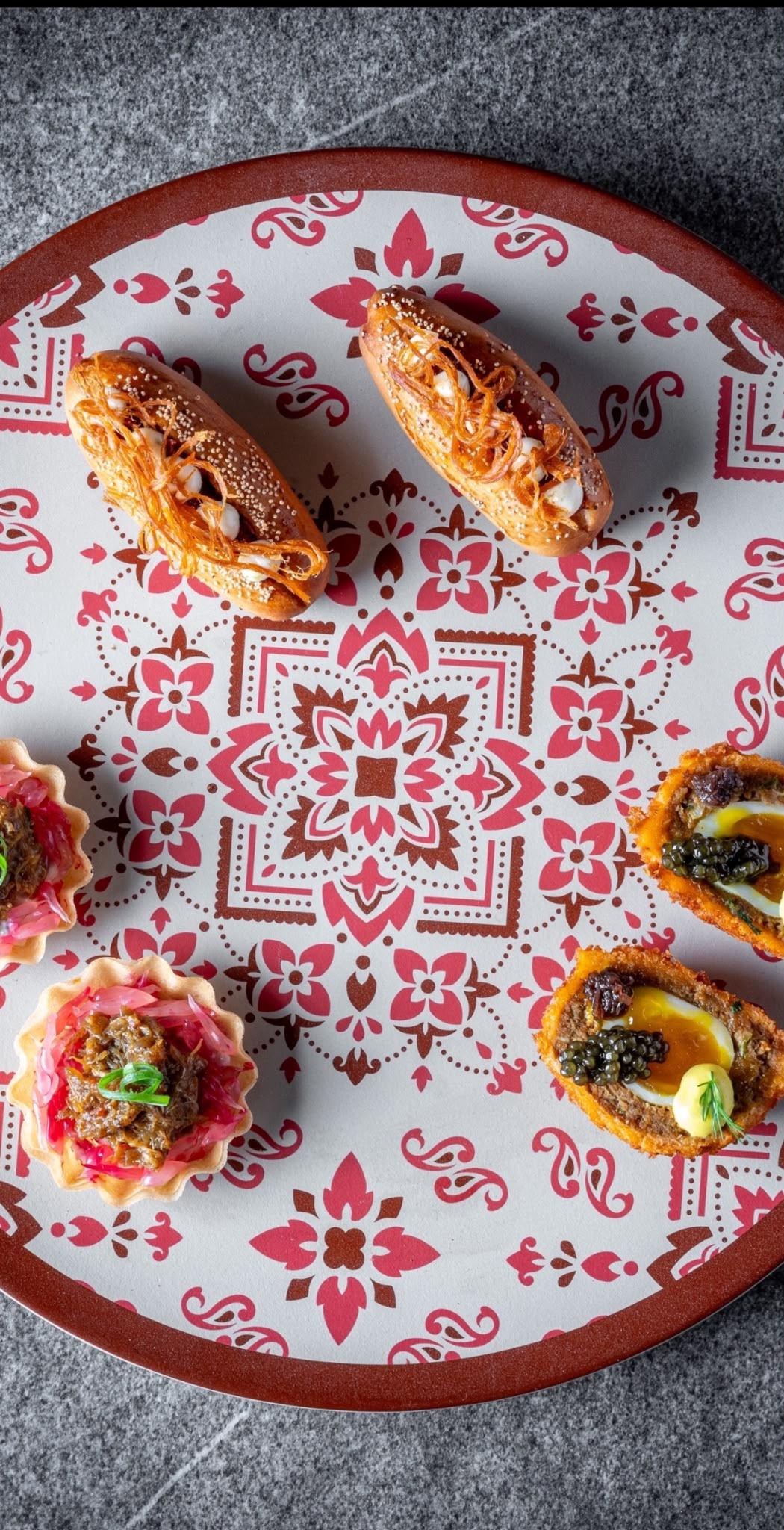
He’s also blunt about what he thinks Indian food still gets wrong internationally. “Indian cuisine is as vast and diverse as Europe,” he says. “There’s more to it than just the crowd favourites.” It’s why his menus reach for dishes like Kerala’s Meen Moilee or Odisha’s Dahi Bara Aloo Dum instead of settling for the handful of dishes most diners abroad already know, an approach he treats less as culinary risk-taking and more as a matter of accuracy.
This summer, that philosophy takes him back to India itself, a research trip through Goa, Coorg, Madurai, Kerala and Kolkata, spending time in home kitchens and local markets rather than restaurants, studying everything from Coorg’s Pandi Curry to Bengal’s Gondhoraj lemon. He’ll return to Kuala Lumpur with a refreshed seasonal menu, built the same way all of his menus are built: from the ground up, starting with the people who’ve been cooking these dishes far longer than he has.
“Every dish should speak of a place, a memory, a tradition,” he says. It’s as close as Gupta gets to a mission statement and, more than a decade into a career he almost didn’t choose, it still sounds like something a teacher would say.
